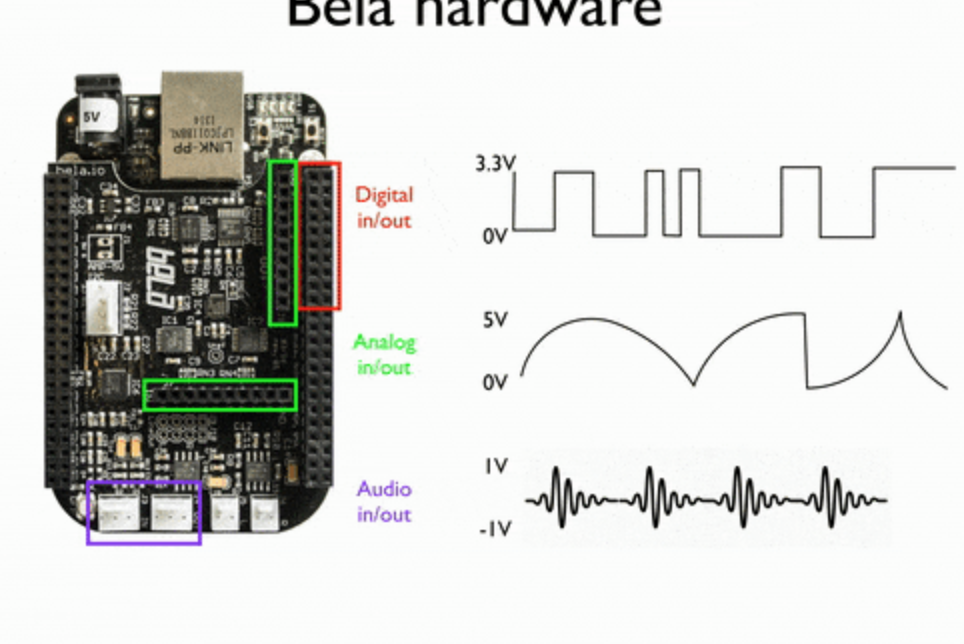
This week we had a lot of new content especially on this open software called PureData, its a creative community for makers, musicians and engineers. It’s a block type coding site that you can code hardware and software. In this particular lesson we had our first look at Beagleboard. Beagleboard are a stripped down audio computer that you can code and connect inputs and outputs to start creating sounds. By connecting the Beagleboard to pure data, we were able to create a direct feedback loop between hardware and software, essentially building our own tiny sound machine. It was probably the first time I properly saw how synthesis and electronics can merge not only in theory but in physical, tactile way. Pure data might look simple at first but it is essentially a fully customisable music-competition environment – one where every parameter can be shaped, broken hacked and rebuilt.
Practical setting up our beagle to Flash a LED Light
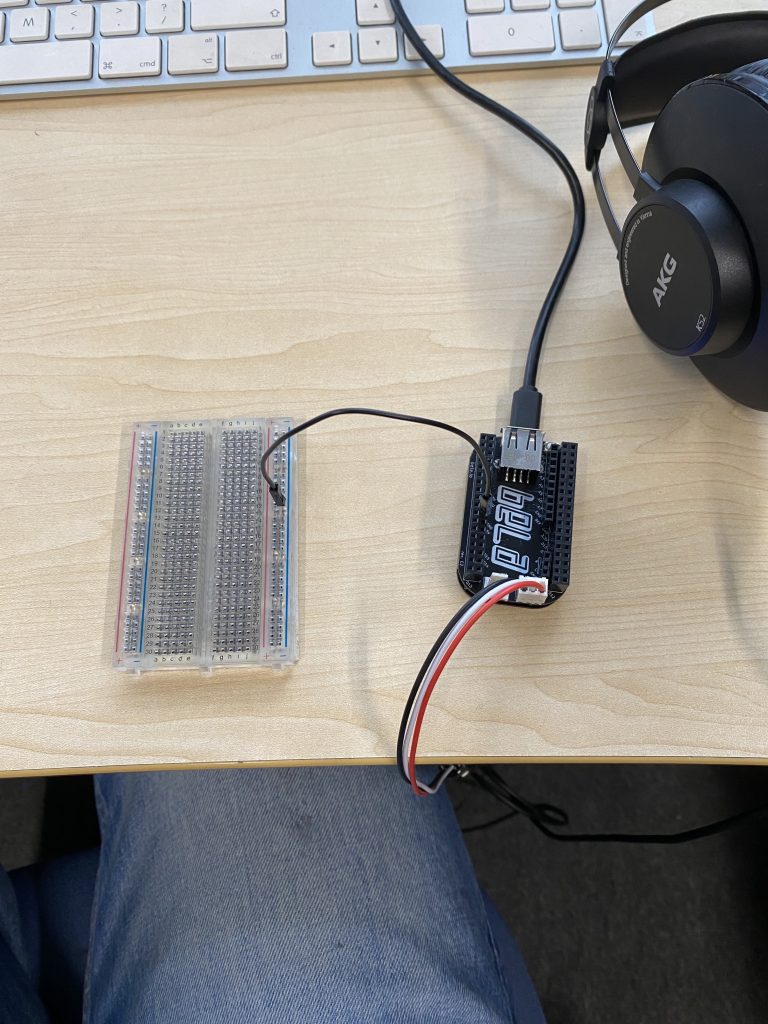
Step One
- Step one is lining in a wire to the ground bus. This is the main strip of inputs that connects to most hole on the breadboard
- We also added an input for the headphone jack
- this first step is crucial to get right as to make sure the first connection is lined to the right output. This first step was essential, if the ground connection is wrong nothing will work.
Step two
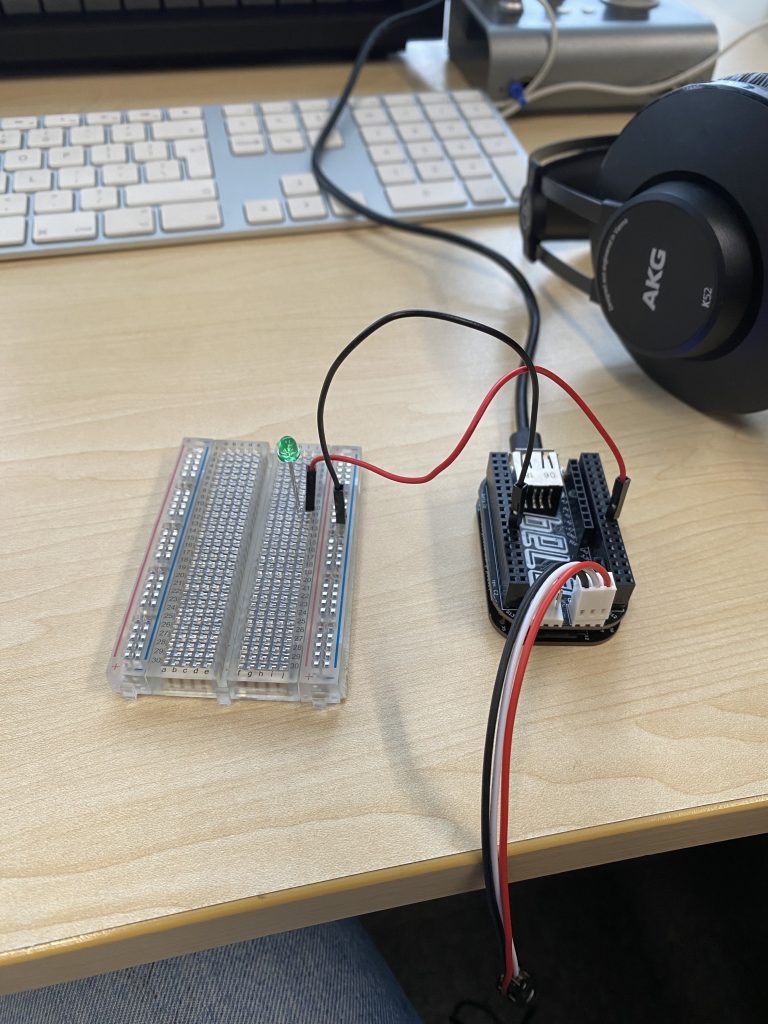
- Step two comes in two main parts
- the first is to connect another wire to the audio inputs and outputs
- After that connect the LED light long leg (the positive side) facing to the top of the board to the breadboard
- This step is crucial as if you put the LED facing the wrong way it can not work
Step three
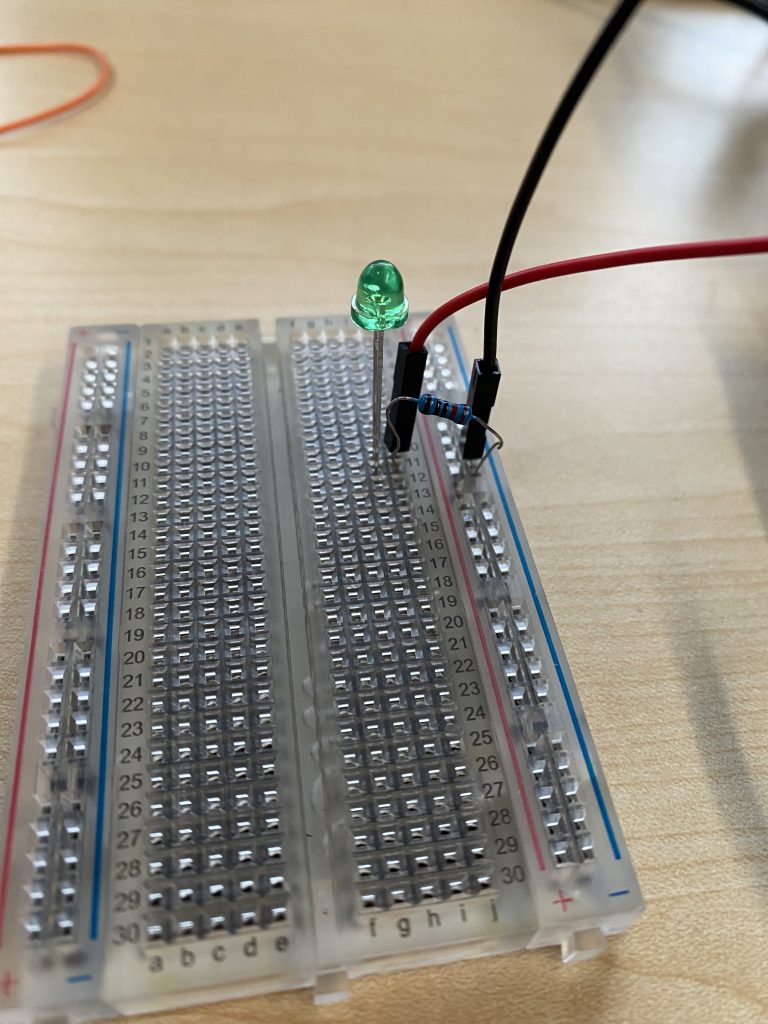
- The last of the steps
- adding a resistor to the breadboard so that we don’t blow our LEDS out
- After all the correct wires have been lined into
The code used in Pure data
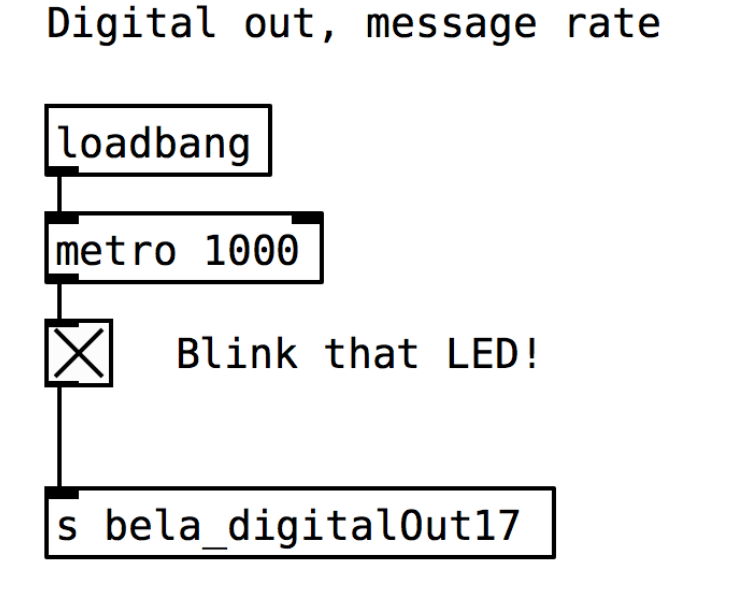
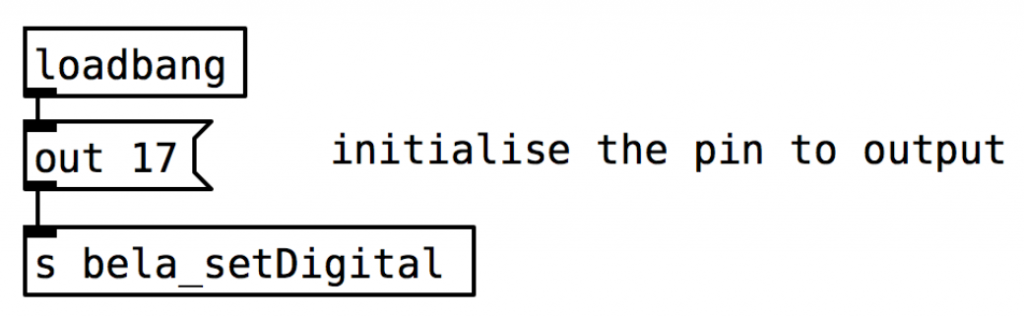
- With the hardware ready, we were able to use the simple PureData patch below to activate the LED. This was our first introduction to controlling physical hardware through software, which is a strange but exciting feeling- watching something as small as a line of code turn into real light.
The benefits of using PureData for sound design and sound arts
- Real time sound synthesis and processing. PureData has the possibilities and freedom of practice thats allows real time control over synthesis, sampling and effects which is perfect for interactive or responsive sound environments
- The creation of modular patches and synths. You are able to curate hardware and software in code and Beagleboards to experiment unconventional sound ideas
- A big benefit would be the open source material available. This allows us to see what others have created and modify for personal use
Reflection
I think for me this type of work I do struggle with sometimes. Today was a big of a struggle to get my head round why we code a certain way. I have coded in Python before and I always struggle because for I have to understand why we have to type a bit of code in before I am able to do it. Milo had been super helpful towards to my practice, I find his teaching style engaging and he is helpful. It is my goal to be able to do this at home and to really understand why I’m coding a certain thing. I look forward to the upcoming weeks.
Even though I didn’t end up using this exact setup or any beagleboard coding in my final film, the workshop planted an idea in me about synthesis and sound generation. Seeing sound built from scratch – from wires to voltages from data made me rethink how I approach atmosphere and texture in my work. It made me more curious about creating my own sonic language, not just using existing sounds or libraries. That curiosity definitely influenced the way I thought about the sound world of my film, especially thinking about tones, drones and the emotional behaviour of synthesised sound.
Milo’s teaching style has also been genuinely helpful, he makes complex things feel approachable and that encourage matters when you’re out of your comfort zone. While I still find coding difficult however I’m more motivated to keep learning Pure Data at my own pace and to eventually build small patches that could inspire or transform the textures in my own sound design practice.