Blog Entry 2: Planning my first sessions at Hilly Fields
Why Hilly Fields
I chose Hilly Fields as the site for my prototype because it is a place I know well and love the sound of. Working with one site that I can return to means I can compare sessions, and compare what I record with what I remember.
Luc Ferrari, Presque rien n°1 (1970)
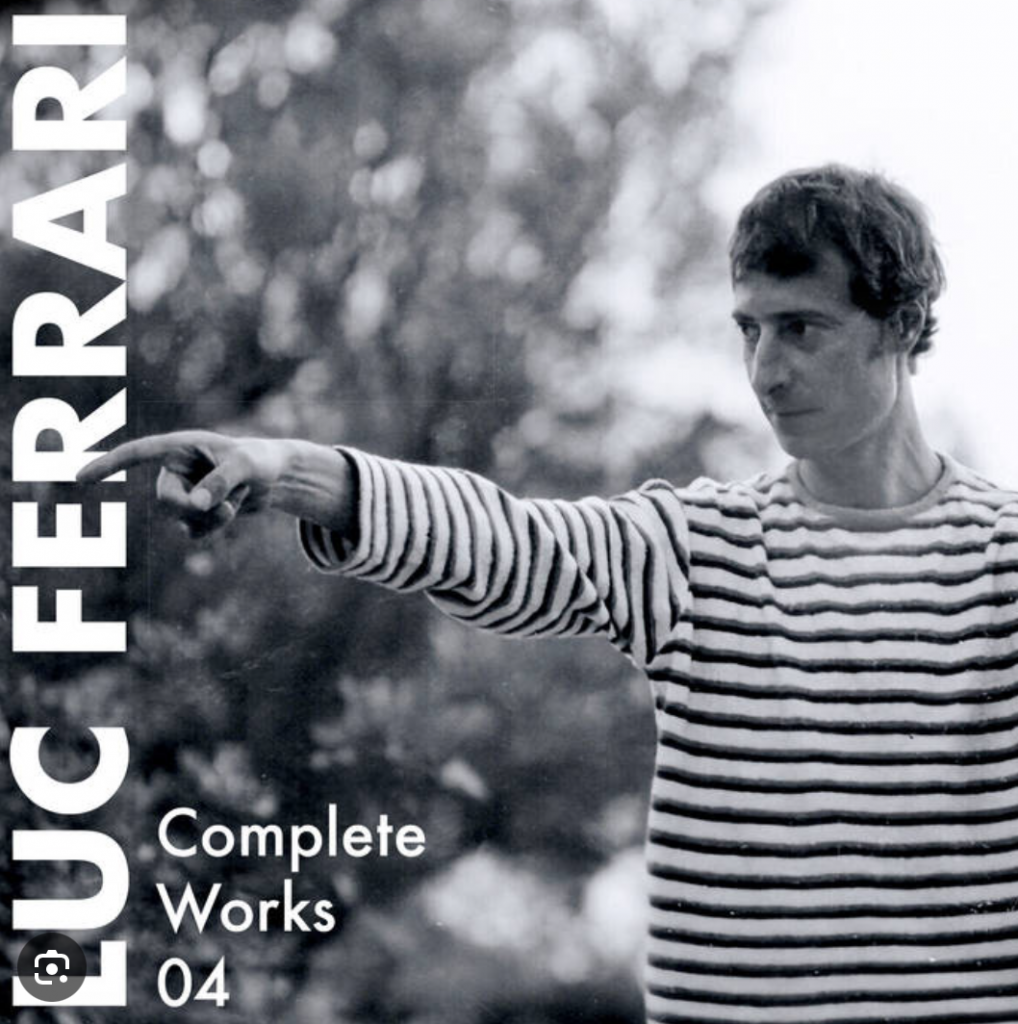
Lucien Ferrari (1929 – 2005) was a French composer and pioneer in musique concrète and elctroacustic music. This particular piece was recorded in a fishing village on the Croatian coast, the whole piece lasts about 20 minutes and it portrays a quiet bay, boat engines, cockerel singing, voices and passing vehicles. This piece is important to my portfolio work because its a constructed man made memory and shows that recording isn’t a neutral record of a place and neither is memory.
It’s one place, returned to. Like my visits to Hilly Fields sessions it comes from a single site and a personal vantage point. It keeps sounds recognisable. Ferrari’s approach is often described as “anecdotal” music, where the sauces stay identifiable and tell a story.
My memory-soundscape
Before recording, I wrote down what I think Hilly Fields sounds like. [Summarise it: the sounds you’re sure of, the ones you’re unsure of.] I’m treating this as my “before”. After each session I’ll listen back and ask which of these sounds I can actually find, and which turn out to be wrong or missing.
Planning the sessions
I plan to record across three sessions so I can compare conditions:
- Session 1, morning: a static recording from a south facing bench on the hill for 5 minutes, then a soundwalk along the path by the school.
- Session 2, dusk: the same static spot, to hear how time of day changes things.
- Session 3, weekend: a busier or wetter session, to hear how people and weather change what I recognise.
Static recordings let me compare like with like, while soundwalking is closer to how I actually move through and remember the place, so I want both.
Equipment and decisions
I’ll be using my personal zoom 3 field recorder as its constant and reliable. I’ve decided to record in stereo and use a windshield because I want a clear sound. I know the microphone won’t hear what I hear, since placement and gain shape what gets captured, so I’ll note my settings every time.
What I’ll note each time
For every session I’ll write down the date, time, weather, location and equipment settings, then a short reflection straight afterwards on what I heard, what I expected to hear, and how it felt. This is my evidence, and it follows Nelson’s point that practice research needs documented process (Nelson, 2013).
Practical points
Hilly Fields is a public park, so I need to think about be sensitive to whom I record and to go into less crowded spots. I’ll also check any opening times for park runs and social events as this may be beneficial to the piece.
Next step
My first session is on 11th of October. I’m curious to find out whether the sounds of the park are familiar, and I may be surprised if new sound signals and new sound objects are found.
References
- Nelson, R. (2013) Practice as Research in the Arts. Basingstoke: Palgrave Macmillan.
- Biography (2013) Luc Ferrari. Available at: http://lucferrari.com/en/biography/ (Accessed: October 12, 2026).