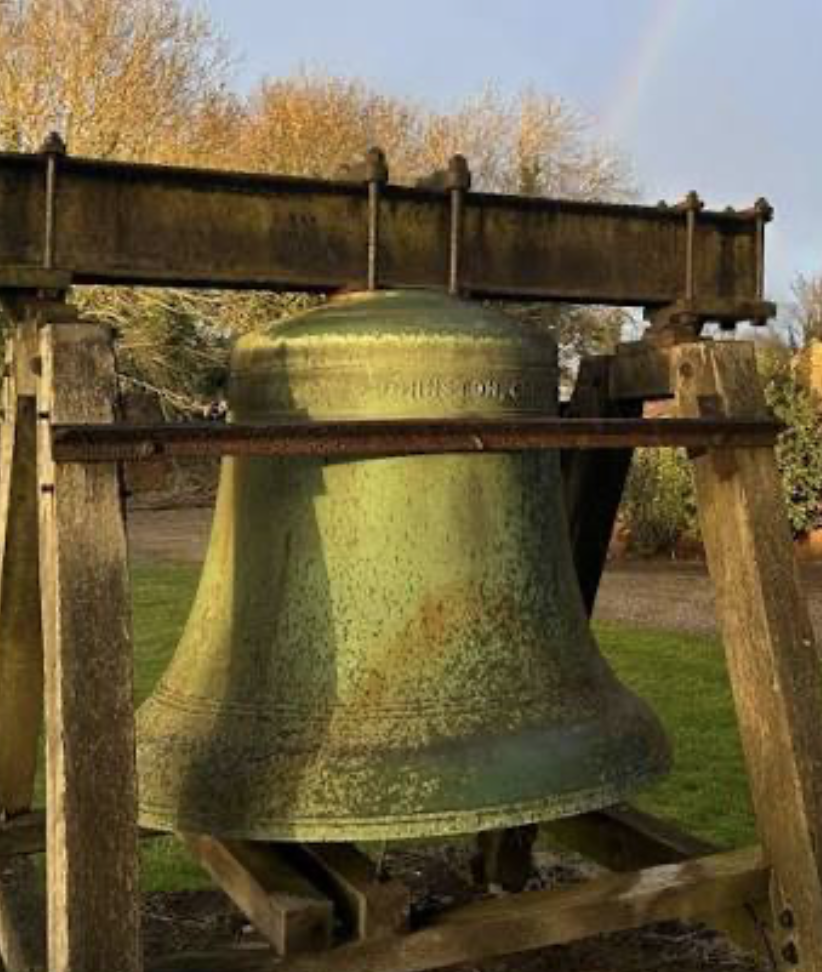
Ive recently been thinking about taking my soundscape and film project in a slightly different direction, focusing more on clocks, bells and the sounds associated with time. This came from remembering the bell outside the Horological Museum in Upton, Nottingham. When I was younger, I used to ring this bell whenever I visited. It’s a sound that I associate with growing up in Nottingham, and something I hadn’t really considered using in my own work until now.
The bell interests me because it has both a physical and personal connection to the idea of time. The Horological Museum is centred around clocks and timekeeping and the bell itself acts as a sound signal that can be heard beyond the museum. For me, though, it also carries a memory of bring a child and visiting the place. Hearing it again could bring back a particular feeling or moment, even if I don’t remember every detail of the experience.
I’m interested in using the bell as a central sound within my soundscape. Rather than simply recording it as an isolated sound, I want to experiment with how it could sit within a wider composition. I could build up layers of clock mechanisms, ticking, chiming and other recordings connected to time. The bell could act as a recurring sound signal throughout the piece, almost like an anchor that brings the listener back to the original memory.
At this stage, I’m still experimenting with how the different elements might work together. I want to revisit the museum, record the bell and explore other sounds connected to clocks and timekeeping. I’m hoping this will give the project a clearer sound identity and a stronger connection to my own experiences, while also giving the audience something recognisable to connect with.
Michel Chion – Audio-vision: Sound on Screen (1994)
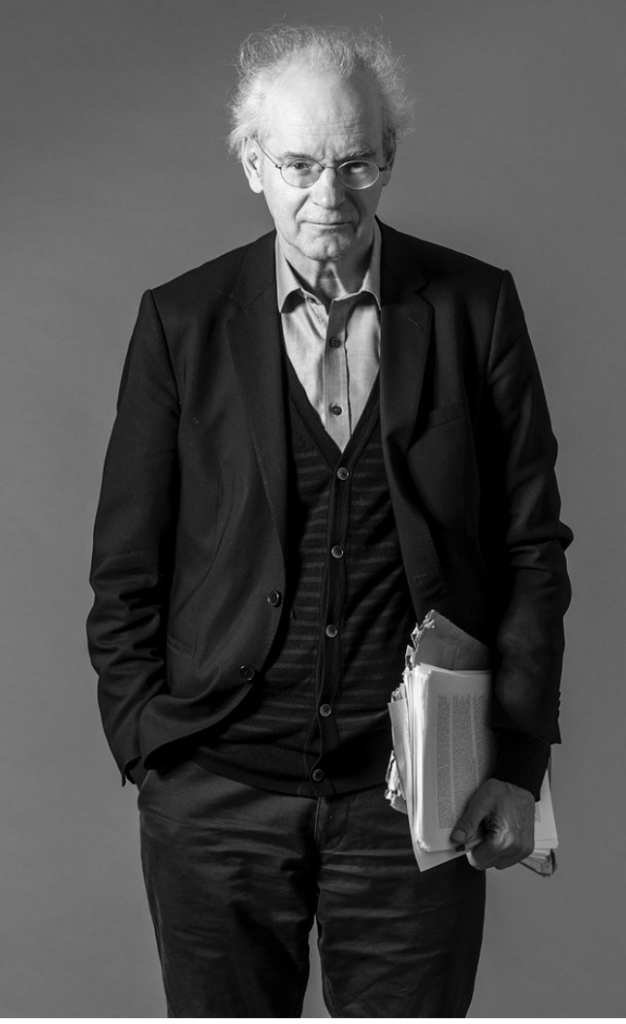
Michel Chion’s Audio-Vision: Sound On Screen (1994) explores how sound and image influence one another when experienced together. Chion discuses the idea of Synchresis, which describes how we naturally connect a sound with an image when they happen at the same time. For example, when we see a bell being struck and hear its ringing, we automatically understand the sound as belonging to that visual action. This relationship interests me because I am considering incorporating film of the Horological Museum bell being rung into my soundscape. I want to explore how the visual image of the bell and its sound can work together to communicate a particular place and memory.
I could experiment with this relationship by recording the bell and filming it from different distances and angles. I am interested in whether the audiences experience changes depending on what they can see as well as what they can hear. For example, I could show the bell being physically rung with its original recording, allowing the viewer to connect the sound directly to the action. Alternatively, I could use the sound of the bell over footage of the surrounding village, or even footage that has no obvious connection to the bell. This might make the sound feel less like a recording of a physical event and more like something connected to memory.
I also want to experiment with separating the sound from image. I could show the bell moving without its original sound, or play the recording while showing a different visual scene. This could make the audience question where the sound is coming from and how much their understanding of it depends on what they see. In relation to my own childhood memories, I find this particularly interesting because I remember the experience of ringing the bell, but I cannot necessarily remember every visual detail of the place. The sound might therefore become more important than the image in communicating the memory.
Chion’s ideas give me a way to think about film as more than just a visual documentation of the bell. Instead, I can use the relationship between sound and image as part of the composition itself, experimenting with how they reinforce, contradict or change one another.